Building infrastructure for the new carbon economy.
We are building materials and systems that store carbon instead of releasing it. By moving carbon from the atmosphere into buildings and soil, we create a cleaner future, stronger local industry, and a better way to build.
We are building an economic system that internalizes externalities. We explicitly set the value of our products based on the direction of carbon flow. Instead of ignoring this impact, we reward every indispensable link in the chain for moving CO₂ from the atmosphere into permanent storage.
1. Capture
The Farmers
Agriculture is the engine. By growing industrial hemp, farmers capture massive amounts of CO₂ from the atmosphere directly into the soil and biomass, revitalizing their land while generating a highly profitable, contracted crop.
The Nexus
2. Transform
The Processors
The Frog Horn HUB is where captured carbon is turned into value. We process raw biomass into premium, standardized, and storable building units, revitalizing dead local infrastructure into thriving green industry.
3. Store
The Homeowners
The final destination. Homeowners live in incredibly healthy, breathable, and thermally efficient environments. Their homes act as permanent carbon vaults, safely storing CO₂ for generations.
Step 2: The Solution
The Frog Horn HUB
We do not just manufacture products. We build a complete, localized value chain—from field to factory, to final carbon negative product.
1. The Blueprint Facility
An inactive factory ready for immediate revitalization. This is our Research & Production HUB — a scalable model replicable worldwide with instant local farmer cooperation.
Current Infrastructure Assets:
4 Hectares of Industrial Land
Concrete Batching Plants
Existing Vibropresses
Drying Machines
Independent Power Supply
Independent Water Supply
Maximum Development Potential:
Decortication Line (Raw biomass processing)
3 Production Lines (Automated vibropresses for hemp blocks)
Research Laboratory (Testing & certification)
Industrial Drying Facility
Hemp Pellet Production Line (Zero-waste energy)
2. Local Farmer Cooperation
The factory means nothing without raw materials. We establish direct, long-term contracts with regional farmers, guaranteeing to buy the entire harvest as a profitable alternative.
900
900 PLN per ton of hemp shiv. Our target price for local farmers, achieved by bypassing middlemen.
The Miracle of Hemp
Hemp is a fast-growing annual plant that absorbs massive amounts of CO₂, requires minimal pesticides, and revitalizes soil structure.
Incredible Yield:
1 Hectare = up to 3–14 Tons of dry biomass in just 100 days.
How does it compare to traditional construction?
Dive into our comprehensive analysis of Hemp Blocks versus AAC, Ceramic Brick, Wood Frame, and other standard systems.
3. Carbon Negative End Products
Using proven VLAWIS technology, the HUB transforms local hemp into a full catalog of premium building materials.
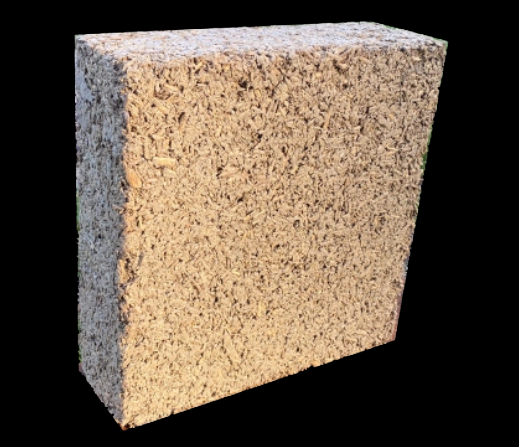
Masonry Block
VLAWIS hemp masonry block for timber frames and partition walls (12×40×40 cm). Lightweight, breathable, excellent insulation.
Core Structural Product
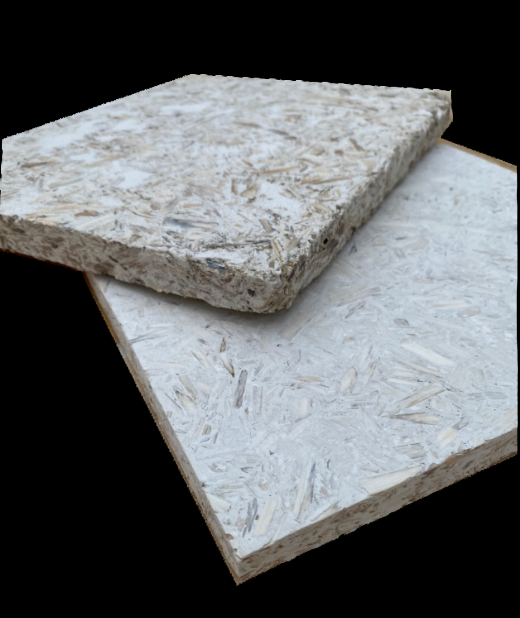
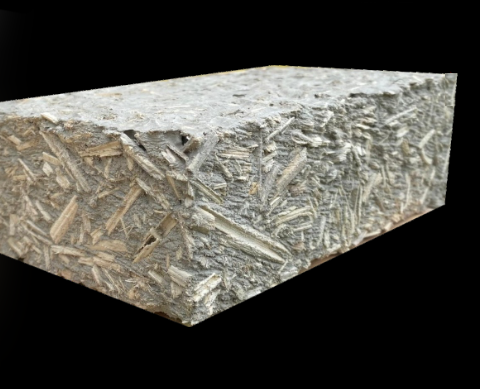
Construction Boards
VLAWIS construction board — hemp shiv with modified lime (Waplus), from 12 mm, 80×120 cm. Weather-resistant for exterior use.
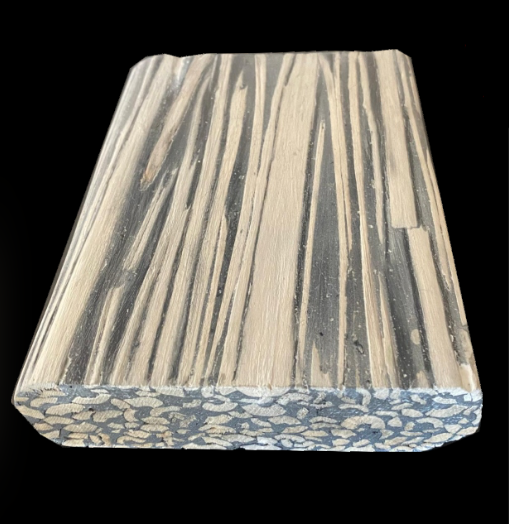
VLAWIS hemp panel (shives in charcoal binder) plus wallpapers and facade boards — interior design from nature.
Applied Arts & Design
Step 3: The Demand
Market Need
The time for crafts and small experiments is over. The market desperately needs immediate industrial scale.
B2B Giants
Large construction corporations need materials with a negative carbon footprint for ESG standards, cheaper financing, and EU public tenders.
B2C Customers
A massive surge in demand for 100% natural, healthy single-family homes. Families are rejecting toxic chemicals and styrofoam.
Step 4: The Team
Meet the Alliance
This project is too big for a single company. We have created a robust ecosystem of complementary experts.
SiejemyKonopie
The agricultural foundation: knowledge, education, agronomic consulting, and crop contracting with farmers.
BioVerse
The operational brain of production. A Danish startup providing verified technology, binders, and pressing parameters.
Technologists
Top-class engineers and architects (including from VLAWIS) working on certifying and creating new structural materials.
Entrepreneurs
The driving force: factory managers, digital marketers, and B2B sales experts turning ideas into profitable business.
Step 5: Status & Future
Our Roadmap
We are not starting from scratch. We have already secured the most crucial elements of the project.
1. The Location
Frog Horn HUB (LehBam Partnership). 4 hectares of industrial land, concrete nodes, water, energy — infrastructure ready for revitalization.
2. Raw Material
SiejemyKonopie Partnership. Cooperation to contract and work closely with local farmers for steady biomass supply.
3. Technology
BioVerse Partnership. Over 200+ specific mixtures tested for mass production of hemp blocks on vibropresses.
Strategic Roadmap: Execution Plan
2026
Execute & Prove
Year goal: launch a working production HUB and start sales.
1. Reactivate Żabi Róg factory
renovation and plant adaptation
infrastructure for new production
HUB as reference center
2. Launch automated hemp block production line
vibropress purchase / installation
full production line
process validation
3. Develop technological know-how
recipe refinement, production tests
quality stabilization
scaling preparation
4. Certification & testing
fire tests, technical parameters
product certification
5. Produce first commercial hemp blocks
Goal: first commercial m³ of hemp blocks
6. First sales
European customers, first orders and revenue.
7. Decortication capability
Cooperation with SiejemyKonopie — decortication line
8. Factory ownership option preparation
Preparation for acquiring the plant + 4 ha
2027
Scale & Replicate
Year goal: turn Żabi Róg into a scalable HUB model.
1. Secure hemp farming network
Goal: minimum 1000 ha of cooperating hemp crops
2. Build scalable supply chain
Farmers, shiv, logistics, local sourcing
3. Production optimization
Process stability, cost reduction, higher volume
4. Technology replication readiness
Know-how ready to copy to other locations
5. Additional HUB expansion preparation
Operational documentation, production standards
6. Optional hemp waste pellet line
Waste pellet as additional business
7. Potential factory acquisition
Plant + 4 ha if economically justified
The Next Phase
Our Playground & Future Eco-Village
Nestled in the breathtaking, pristine region of Warmia, Poland, we have secured over 4 hectares of beautiful land with direct lake access. This is the canvas for our future "Osada" (Eco-Village).
This stunning location will serve as a living laboratory and an exclusive showroom. Here, we will construct our first fully functional showcase homes using Frog Horn HUB's carbon negative hemp blocks. It will be a tangible, breathing proof-of-concept for sustainable, off-grid living in perfect harmony with nature.
Direct Lake Access
4+ Hectares in Warmia
Showcase Homes
Community "Osada"
The Warmia Project
Location reserved for the first carbon negative settlement.
Comprehensive Analysis
Hemp Blocks vs Traditional Materials
This document presents a comprehensive comparison of hemp-lime blocks (hempcrete / hemp blocks) against the most common construction systems used in Europe.
Baseline Compared Materials
Material / System
Description
Hemp Blocks
Hemp shives + lime binder
AAC / Ytong
Autoclaved aerated concrete
Ceramic Brick
Traditional clay block
Silicate Blocks
Lime-sand blocks
Concrete Block
Standard concrete block
Wood Frame + Mineral Wool
Typical Scandinavian/light frame system
SIP Panels
Structural insulated panels
CLT
Cross laminated timber
Concrete + EPS
Typical modern developer system
1. Thermal Insulation (U-value Potential)
Hemp Blocks
★★★★★
Very high insulation + thermal mass
AAC/Ytong
★★★☆☆
Good but often still needs insulation
Ceramic
★★☆☆☆
Usually requires additional EPS/wool
Silicate
★☆☆☆☆
Poor insulation
Concrete Block
★☆☆☆☆
Very poor insulation
Wood Frame
★★★★☆
Depends on insulation quality
SIP
★★★★★
Excellent
CLT
★★★☆☆
Needs extra insulation
Concrete+EPS
★★★★☆
Good after adding EPS
Hemp Advantage
A ~40 cm hemp-lime wall can often meet Polish/EU thermal requirements without additional insulation layers.
This removes:
EPS & glue
Mesh & facade systems
Multiple labor stages
2. Carbon Footprint / CO₂
Hemp Blocks
CO₂ NEGATIVE
AAC
High CO₂
Ceramic
Very high kiln energy
Silicate
High
Concrete
Extremely high
Wood Frame
Low-positive
SIP
Medium-high
CLT
Low
Concrete+EPS
Very high
Hemp Advantage
Hemp absorbs CO₂ during growth, while lime slowly re-carbonizes over decades.
Carbon-negative walls
Future carbon credits
Alignment with EU embodied-carbon regulations
3. Moisture & Vapor Permeability
Hemp Blocks
★★★★★
Highly breathable
AAC
★★★☆☆
Moderate
Ceramic
★★☆☆☆
Low-Moderate
Silicate
★★☆☆☆
Low-Moderate
Concrete
★☆☆☆☆
Poor
Wood Frame
Depends on membranes
SIP
Poor
CLT
Medium
Concrete+EPS
Very poor
Hemp Advantage
Hemp-lime regulates humidity naturally: absorbs excess moisture, releases it later, and stabilizes indoor climate.
This reduces:
Mold risk & condensation
"Sealed plastic building syndrome"
4. Indoor Air Quality / Health
Hemp Blocks
★★★★★
AAC / Ceramic / Silicate
Neutral
Concrete
Poor humidity balance
SIP
Potential VOC issues
CLT
Good
Concrete+EPS
Often poor
Advantage: Buildings are perceived as calmer, fresher, healthier. People report less mold sensitivity and better sleep.
5. Fire Resistance
Hemp Blocks
★★★★☆
Mineral (AAC, Ceramic, Concrete)
★★★★★
Wood Frame / SIP
★★☆☆☆
CLT
★★★☆☆
Concrete+EPS
EPS is problematic
Important Note: Despite containing hemp, the lime mineralizes the material. Oxygen inside is limited, so it chars slowly rather than igniting explosively.
6. Acoustic Insulation
Hemp Blocks
★★★★★
Concrete / Silicate
★★★★☆
AAC / Ceramic
★★★☆☆
Wood Frame / SIP / CLT / EPS
★★☆☆☆
Advantage: Excellent absorption of echoes, vibration, and airborne noise. Ideal for homes, wellness centers, and studios.
7. Structural Strength
Hemp Blocks
Usually non-load-bearing
Concrete / Silicate / CLT
Excellent
Ceramic / Wood Frame / SIP
Yes
AAC
Partial
Hemp Reality: Hemp blocks are usually insulation/infill used with wood/steel frames. This means lighter walls, easier assembly, and lower embodied carbon.
8-10. Logistics & Durability
Material
Weight (8)
Build Speed (9)
Durability (10)
Hemp Blocks
Very light
★★★★☆
Potentially 100+ years
AAC
Light
★★★★☆
50–100 years
Ceramic
Heavy
★★☆☆☆
100+ years
Silicate
Very heavy
★★☆☆☆
100+ years
Concrete
Extremely heavy
★☆☆☆☆
100+ years
Wood Frame
Light
★★★★★
Depends on moisture
SIP
Very light
★★★★★
Unknown long-term
CLT
Medium
★★★★★
Good if protected
Concrete+EPS
Heavy
★★☆☆☆
EPS aging issues
11-13. Future-Proofing & Market Value
Material
Circularity (11)
Future EU Readiness (12)
Market Perception (13)
Hemp Blocks
★★★★★
★★★★★
Premium / eco-luxury
AAC
Medium
Medium
Cheap standard
Ceramic
Low
Medium-low
Traditional
Silicate
Medium
Medium
Industrial
Concrete
Low
Weak
Cold / industrial
Wood Frame
Medium
Strong
Natural
SIP
Poor
Uncertain
Technical
CLT
Medium
Strong
Premium
Concrete+EPS
Very poor
Weak
Developer-grade
Circular Economy Advantage
Hemp blocks can potentially become aggregate, soil additive, or recycled filler at end of life. Zero toxic EPS waste.
EU Regulatory Advantage
EU regulations increasingly target embodied carbon, lifecycle emissions, and circularity. Hempcrete aligns perfectly with this direction.
14. Main Weaknesses of Hemp Blocks
Lower compressive strength
Needs frame system.
Longer curing
Lime curing process takes time.
Market unfamiliarity & Certs
Education required; certification is still emerging.
Immature Supply Chain
Moisture management during curing is vital; decortication infrastructure is still developing.
15. Best Market Segments
Hemp blocks compete particularly well in high-value, conscious development niches:
Eco housingPremium healthy homesWellness centersResorts and glampingSustainable developmentsCarbon-conscious architectureFuture-proof EU projectsSelf-sufficient communities
16. Simple Strategic Summary
CO₂ & Sustainability
Hemp
Indoor Climate & Breathability
Hemp
Acoustics & Premium Value
Hemp
Future EU Alignment
Hemp + Timber
Fire Safety
Mineral Materials
Structural Strength
Concrete / Silicate / CLT
Fastest Build
SIP / CLT / Wood frame
Cheapest Mass-Market
AAC / Concrete
17. Strategic Market Opportunity & Conclusion
The construction industry is slowly moving from "cheapest possible materials" toward "low-carbon + healthy + energy-efficient + regulation-compliant buildings". This transition strongly favors hemp-lime, timber systems, decentralized manufacturing, and carbon-storing materials.
Final Conclusion
Hemp blocks are not necessarily trying to replace every traditional building material. Their biggest advantage is that they combine multiple critically important features into one single system: insulation, carbon storage, vapor permeability, acoustic comfort, healthy indoor climate, sustainability, and premium ecological perception.
In a future increasingly shaped by carbon regulations, energy efficiency, healthy buildings, local manufacturing, and strict sustainability requirements, hemp-lime construction systems are poised to become one of the strongest emerging segments in the European construction market.
Deep Dive
The Miracle of Hemp
Nature's Fastest Renewable Building Resource
Hemp is one of the most extraordinary industrial plants on Earth. In just 90–120 days, a hemp field can grow over 4 meters tall, producing massive amounts of biomass while simultaneously improving soil quality and absorbing large quantities of atmospheric CO₂. Unlike forests, which require decades to mature, hemp renews itself every single year.
Why Hemp Is Revolutionary
🌱 Extremely Fast Growth
Industrial hemp is among the fastest-growing plants used in modern agriculture. Under good conditions:
Growth rate can exceed 5–10 cm per day
Plants can reach 3–5 meters in a single season
Full maturity often occurs within 90–120 days
Allows farmers to generate huge amounts of renewable material from a relatively small area.
🌾 Improves Soil Health
Unlike many industrial crops, hemp actively improves agricultural land. Its deep root system helps:
Loosen compacted soil & improve aeration
Increase microbial activity
Reduce erosion & retain moisture
Creates a dense canopy that naturally suppresses weeds, reducing herbicide dependency.
🌍 Absorbs Massive Amounts of CO₂
Hemp acts as a natural carbon capture system. During its rapid growth, hemp absorbs significant amounts of carbon dioxide from the atmosphere and stores it inside its fibers and woody core.
When combined with lime binders in hempcrete systems:
The material can become partially or fully carbon-negative.
The wall may store more carbon than was emitted during production.
Metric
Approximate Value
CO₂ absorbed per hectare
8–15 tons
Biomass produced per hectare
10–20+ tons
Carbon stored in hemp-lime walls
Long-term / decades
☀️ Minimal Pesticides & Chemicals
Industrial hemp is naturally resistant to many pests and diseases. Compared to conventional industrial crops, it requires lower pesticide usage, reduced herbicides, and has a much lower chemical dependency. This makes hemp particularly attractive for regenerative agriculture.
🚜 The Cultivation Process
1
Soil Preparation
Hemp grows best in well-drained soil, medium to high fertility, with a pH of 6–7.5.
Preparation usually includes shallow tilling, basic fertilization, and seedbed leveling.
2
Sowing
Typical sowing period in Europe is April to May. Plant density depends on the purpose:
Goal
Plant Density
Fiber / Hempcrete
High density
Seed Production
Lower density
CBD Production
Very low density
For hemp blocks: dense planting is preferred. Plants grow taller, stems become straighter, and branching decreases.
3
Growth Phase
During peak growth, hemp rapidly shades the ground, weed competition drops significantly, and water efficiency becomes high.
Some cultivars may exceed 4–5 meters in height and yield 15–20 tons dry biomass per hectare.
4
Harvesting
Harvest timing depends on intended use:
Use
Harvest Timing
Fiber/Shives (Construction)
Earlier (before heavy seed formation)
Seeds
Later
Dual Purpose
Balanced timing
🏭 The Decortication Process
Decortication is the industrial separation of hemp stalks into two primary materials:
Drying: Harvested stalks are dried to reduce moisture.
Mechanical Processing: Machines break and separate the stalk structure.
Fiber Separation: Long outer fibers are extracted.
Shive Separation: The inner woody core is cleaned and graded.
Without local decortication infrastructure, transport costs rise dramatically and farmers lose profitability. This is why decentralized regional hemp processing hubs are becoming increasingly important.
💰 Hemp Economics
Typical Outputs Per 1 Hectare
Output
Typical Range
Dry Biomass
10–20+ tons
Shives (for blocks)
5–12 tons
Fiber
2–6 tons
Seeds
0.8–2 tons
Cost Factors & Advantages
Main cultivation costs include seeds, sowing, fertilization, harvesting, drying, logistics, and decortication.
Compared to many industrial crops:
Pesticide costs are often lower
Soil recovery benefits are higher
Rotational agriculture value is strong
🏗 Hemp as a Construction Revolution
Hemp is no longer only an agricultural crop. It is rapidly becoming a construction material, a carbon storage system, a regenerative industrial resource, and a decentralized manufacturing opportunity.
Global pressure is increasing around carbon emissions, energy efficiency, sustainable construction, healthy buildings, and regenerative agriculture. Hemp directly addresses all of these challenges.
The Conclusion
Very few plants combine speed, sustainability, industrial usefulness, and ecological impact on such a large scale. That is why many people now call hemp:
"The Miracle Plant of the Future."