1. Pochłanianie
Rolnicy
Rolnictwo jest silnikiem. Uprawa konopi przemysłowych pozwala pochłaniać ogromne ilości CO₂ w glebie i biomase, regenerować ziemię i zarabiać na opłacalnej, kontraktowanej uprawie.
Sojusz Rolno-Przemysłowy
Tworzymy materiały i systemy, które magazynują węgiel zamiast go uwalniać. Przenosząc węgiel z atmosfery do budynków i gleby, budujemy czystszą przyszłość, silniejszy lokalny przemysł i lepszy sposób budowania.
Krok 1: Nowa gospodarka
Budujemy system gospodarczy, który internalizuje koszty zewnętrzne. Wartość produktów wynika wprost z kierunku przepływu węgla. Zamiast ignorować ten wpływ, nagradzamy każde niezbędne ogniwo za przeniesienie CO₂ z atmosfery do trwałego magazynu.
Rolnictwo jest silnikiem. Uprawa konopi przemysłowych pozwala pochłaniać ogromne ilości CO₂ w glebie i biomase, regenerować ziemię i zarabiać na opłacalnej, kontraktowanej uprawie.
Frog Horn HUB zamienia pochwycony węgiel w wartość. Surowa biomasa staje się premium, standaryzowanymi, magazynowalnymi jednostkami budowlanymi — martwa lokalna infrastruktura wraca jako zielony przemysł.
Cel końcowy. Zdrowe, oddychające, energooszczędne domy działają jak trwałe skarbce węgla — bezpiecznie przechowują CO₂ na pokolenia.
Krok 2: Rozwiązanie
Nie produkujemy tylko produktów — budujemy kompletną, zlokalizowaną łańcuch wartości: od pola, przez fabrykę, po produkt carbon negative.
Nieaktywna fabryka gotowa do natychmiastowej revitalizacji. To nasz Research & Production HUB — skalowalny model do replikacji na świecie i natychmiastowej współpracy z rolnikami.

Fabryka bez surowca nie działa. Bezpośrednie, długoterminowe kontrakty z regionem — gwarantujemy skup całego plonu jako opłacalną alternatywę dla upraw spożywczych.
Konopie to szybko rosnąca roślina roczna, pochłaniająca duże ilości CO₂, wymagająca minimalnych pestycydów i regenerująca glebę.
1 hektar = do 3–14 ton suchej biomasy w 100 dni.
Poznaj naszą analizę bloków konopnych w porównaniu z AAC, cegłą ceramiczną, szkieletem drewnianym i innymi systemami.
Technologia VLAWIS przekształca lokalną konopę w katalog materiałów budowlanych premium.
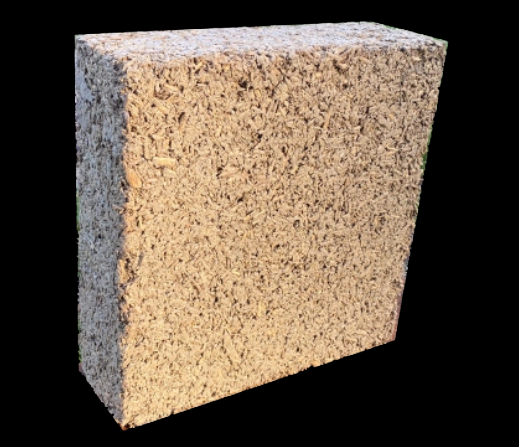
Bloczek murarski VLAWIS — wypełnienie szkieletu i ściany działowe (12×40×40 cm). Lekki, oddychający, świetna izolacja.
Produkt konstrukcyjny
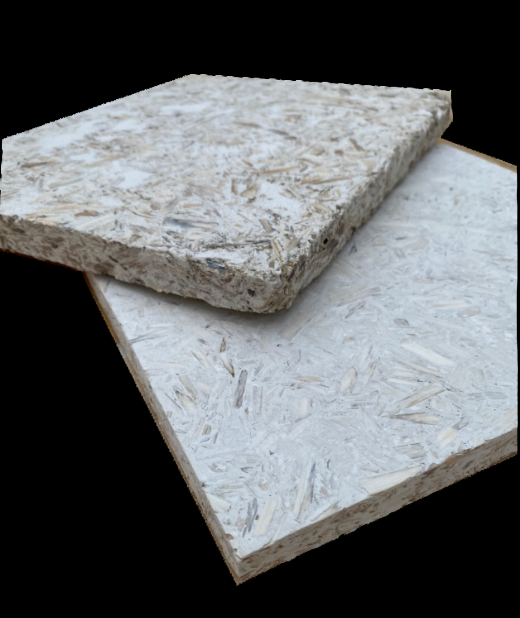
Płyta konstrukcyjna VLAWIS — paździerz + waplus, od 12 mm, format 80×120 cm. Odporna na warunki atmosferyczne.
Grubość od 12 mm
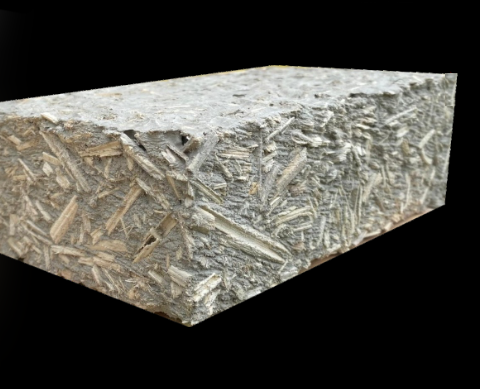
Cegła konopna klasyczna VLAWIS (24×12×8 cm) — klinkier, ściana ozdobna lub remontowa. Na zewnątrz.
Na zewnątrz
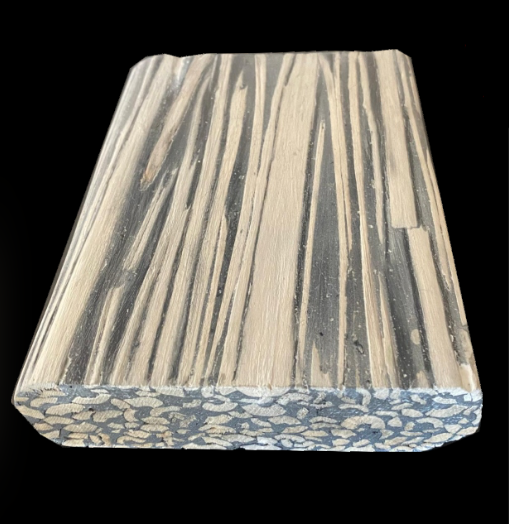
Panel konopny VLAWIS (badyle w spoiwie węglowym) oraz tapety i elewacje — wykończenie prosto z natury.
Sztuka użytkowa
Krok 3: Popyt
Czas rzemiosła i małych eksperymentów minął. Rynek potrzebuje natychmiastowej skali przemysłowej.
Korporacje budowlane potrzebują materiałów o ujemnym śladzie węglowym — ESG, tańsze finansowanie, przetargi UE.
Rosnący popyt na 100% naturalne domy jednorodzinne. Rodziny odrzucają chemię i styropian — szukają ścian, które oddychają.
Krok 4: Zespół
Projekt jest za duży dla jednej firmy. Ekosystem komplementarnych ekspertów.

Fundament rolny: wiedza, edukacja, doradztwo agronomiczne i kontrakty z rolnikami.

Operacyjny mózg produkcji. Duński startup: technologia, spoiwa, parametry prasowania.
Inżynierowie i architekci (m.in. VLAWIS) — certyfikacja i nowe materiały konstrukcyjne.
Siła napędowa: zarządzanie fabryką, marketing, sprzedaż B2B — od idei do biznesu.
Krok 5: Status i przyszłość
Nie zaczynamy od zera. Najtrudniejsze elementy projektu są już zabezpieczone.
Frog Horn HUB (LehBam). 4 ha, węzły betoniarskie, woda, energia — infrastruktura gotowa do revitalizacji.
SiejemyKonopie. Kontrakty z rolnikami i stabilne dostawy biomasy.
BioVerse. Ponad 200+ mieszanek przetestowanych pod masową produkcję bloków na wibroprasach.
Execute & Prove
Cel roku: uruchomić działający HUB produkcyjny i rozpocząć sprzedaż.
Cel: pierwsze komercyjne m³ hemp bloków
Klienci europejscy, pierwsze zamówienia i przychody.
Współpraca z SiejemyKonopie — linia dekortykacyjna
Przygotowanie przejęcia zakładu + 4 ha
Scale & Replicate
Cel roku: przekształcić Żabi Róg w skalowalny model HUB.
Cel: minimum 1000 ha współpracujących upraw
Rolnicy, paździerz, logistyka, lokalny sourcing
Stabilność procesu, redukcja kosztów, większy wolumen
Know-how gotowe do kopiowania w innych lokalizacjach
Dokumentacja operacyjna, standardy produkcyjne
Pellet z odpadu jako dodatkowy biznes
Zakład + 4 ha — jeśli ekonomicznie uzasadnione
Kolejny etap
W malowniczej Warmii zabezpieczyliśmy ponad 4 hektary ziemi z bezpośrednim dostępem do jeziora. To fundament przyszłej „Osady” (eco-wioski).
To miejsce będzie żywym laboratorium i showroomem. Zbudujemy tu pierwsze domy pokazowe z bloków konopnych Frog Horn HUB o charakterze carbon negative — namacalny dowód zrównoważonego, off-grid życia w harmonii z naturą.
Lokalizacja pod pierwszą osadę carbon negative.
This document presents a comprehensive comparison of hemp-lime blocks (hempcrete / hemp blocks) against the most common construction systems used in Europe.
| Material / System | Description |
|---|---|
| Hemp Blocks | Hemp shives + lime binder |
| AAC / Ytong | Autoclaved aerated concrete |
| Ceramic Brick | Traditional clay block |
| Silicate Blocks | Lime-sand blocks |
| Concrete Block | Standard concrete block |
| Wood Frame + Mineral Wool | Typical Scandinavian/light frame system |
| SIP Panels | Structural insulated panels |
| CLT | Cross laminated timber |
| Concrete + EPS | Typical modern developer system |
| Hemp Blocks | ★★★★★ | Very high insulation + thermal mass |
| AAC/Ytong | ★★★☆☆ | Good but often still needs insulation |
| Ceramic | ★★☆☆☆ | Usually requires additional EPS/wool |
| Silicate | ★☆☆☆☆ | Poor insulation |
| Concrete Block | ★☆☆☆☆ | Very poor insulation |
| Wood Frame | ★★★★☆ | Depends on insulation quality |
| SIP | ★★★★★ | Excellent |
| CLT | ★★★☆☆ | Needs extra insulation |
| Concrete+EPS | ★★★★☆ | Good after adding EPS |
A ~40 cm hemp-lime wall can often meet Polish/EU thermal requirements without additional insulation layers.
This removes:
| Hemp Blocks | CO₂ NEGATIVE |
| AAC | High CO₂ |
| Ceramic | Very high kiln energy |
| Silicate | High |
| Concrete | Extremely high |
| Wood Frame | Low-positive |
| SIP | Medium-high |
| CLT | Low |
| Concrete+EPS | Very high |
Hemp absorbs CO₂ during growth, while lime slowly re-carbonizes over decades.
| Hemp Blocks | ★★★★★ | Highly breathable |
| AAC | ★★★☆☆ | Moderate |
| Ceramic | ★★☆☆☆ | Low-Moderate |
| Silicate | ★★☆☆☆ | Low-Moderate |
| Concrete | ★☆☆☆☆ | Poor |
| Wood Frame | Depends on membranes | |
| SIP | Poor | |
| CLT | Medium | |
| Concrete+EPS | Very poor | |
Hemp-lime regulates humidity naturally: absorbs excess moisture, releases it later, and stabilizes indoor climate.
This reduces:
| Hemp Blocks | ★★★★★ |
| AAC / Ceramic / Silicate | Neutral |
| Concrete | Poor humidity balance |
| SIP | Potential VOC issues |
| CLT | Good |
| Concrete+EPS | Often poor |
Advantage: Buildings are perceived as calmer, fresher, healthier. People report less mold sensitivity and better sleep.
| Hemp Blocks | ★★★★☆ |
| Mineral (AAC, Ceramic, Concrete) | ★★★★★ |
| Wood Frame / SIP | ★★☆☆☆ |
| CLT | ★★★☆☆ |
| Concrete+EPS | EPS is problematic |
Important Note: Despite containing hemp, the lime mineralizes the material. Oxygen inside is limited, so it chars slowly rather than igniting explosively.
| Hemp Blocks | ★★★★★ |
| Concrete / Silicate | ★★★★☆ |
| AAC / Ceramic | ★★★☆☆ |
| Wood Frame / SIP / CLT / EPS | ★★☆☆☆ |
Advantage: Excellent absorption of echoes, vibration, and airborne noise. Ideal for homes, wellness centers, and studios.
| Hemp Blocks | Usually non-load-bearing |
| Concrete / Silicate / CLT | Excellent |
| Ceramic / Wood Frame / SIP | Yes |
| AAC | Partial |
Hemp Reality: Hemp blocks are usually insulation/infill used with wood/steel frames. This means lighter walls, easier assembly, and lower embodied carbon.
| Material | Weight (8) | Build Speed (9) | Durability (10) |
|---|---|---|---|
| Hemp Blocks | Very light | ★★★★☆ | Potentially 100+ years |
| AAC | Light | ★★★★☆ | 50–100 years |
| Ceramic | Heavy | ★★☆☆☆ | 100+ years |
| Silicate | Very heavy | ★★☆☆☆ | 100+ years |
| Concrete | Extremely heavy | ★☆☆☆☆ | 100+ years |
| Wood Frame | Light | ★★★★★ | Depends on moisture |
| SIP | Very light | ★★★★★ | Unknown long-term |
| CLT | Medium | ★★★★★ | Good if protected |
| Concrete+EPS | Heavy | ★★☆☆☆ | EPS aging issues |
| Material | Circularity (11) | Future EU Readiness (12) | Market Perception (13) |
|---|---|---|---|
| Hemp Blocks | ★★★★★ | ★★★★★ | Premium / eco-luxury |
| AAC | Medium | Medium | Cheap standard |
| Ceramic | Low | Medium-low | Traditional |
| Silicate | Medium | Medium | Industrial |
| Concrete | Low | Weak | Cold / industrial |
| Wood Frame | Medium | Strong | Natural |
| SIP | Poor | Uncertain | Technical |
| CLT | Medium | Strong | Premium |
| Concrete+EPS | Very poor | Weak | Developer-grade |
Hemp blocks can potentially become aggregate, soil additive, or recycled filler at end of life. Zero toxic EPS waste.
EU regulations increasingly target embodied carbon, lifecycle emissions, and circularity. Hempcrete aligns perfectly with this direction.
Needs frame system.
Lime curing process takes time.
Education required; certification is still emerging.
Moisture management during curing is vital; decortication infrastructure is still developing.
Hemp blocks compete particularly well in high-value, conscious development niches:
The construction industry is slowly moving from "cheapest possible materials" toward "low-carbon + healthy + energy-efficient + regulation-compliant buildings". This transition strongly favors hemp-lime, timber systems, decentralized manufacturing, and carbon-storing materials.
Hemp blocks are not necessarily trying to replace every traditional building material. Their biggest advantage is that they combine multiple critically important features into one single system: insulation, carbon storage, vapor permeability, acoustic comfort, healthy indoor climate, sustainability, and premium ecological perception.
In a future increasingly shaped by carbon regulations, energy efficiency, healthy buildings, local manufacturing, and strict sustainability requirements, hemp-lime construction systems are poised to become one of the strongest emerging segments in the European construction market.
Hemp is one of the most extraordinary industrial plants on Earth. In just 90–120 days, a hemp field can grow over 4 meters tall, producing massive amounts of biomass while simultaneously improving soil quality and absorbing large quantities of atmospheric CO₂. Unlike forests, which require decades to mature, hemp renews itself every single year.
Industrial hemp is among the fastest-growing plants used in modern agriculture. Under good conditions:
Allows farmers to generate huge amounts of renewable material from a relatively small area.
Unlike many industrial crops, hemp actively improves agricultural land. Its deep root system helps:
Creates a dense canopy that naturally suppresses weeds, reducing herbicide dependency.
Hemp acts as a natural carbon capture system. During its rapid growth, hemp absorbs significant amounts of carbon dioxide from the atmosphere and stores it inside its fibers and woody core.
When combined with lime binders in hempcrete systems:
| Metric | Approximate Value |
|---|---|
| CO₂ absorbed per hectare | 8–15 tons |
| Biomass produced per hectare | 10–20+ tons |
| Carbon stored in hemp-lime walls | Long-term / decades |
Industrial hemp is naturally resistant to many pests and diseases. Compared to conventional industrial crops, it requires lower pesticide usage, reduced herbicides, and has a much lower chemical dependency. This makes hemp particularly attractive for regenerative agriculture.
Hemp grows best in well-drained soil, medium to high fertility, with a pH of 6–7.5.
Preparation usually includes shallow tilling, basic fertilization, and seedbed leveling.
Typical sowing period in Europe is April to May. Plant density depends on the purpose:
| Goal | Plant Density |
|---|---|
| Fiber / Hempcrete | High density |
| Seed Production | Lower density |
| CBD Production | Very low density |
For hemp blocks: dense planting is preferred. Plants grow taller, stems become straighter, and branching decreases.
During peak growth, hemp rapidly shades the ground, weed competition drops significantly, and water efficiency becomes high.
Some cultivars may exceed 4–5 meters in height and yield 15–20 tons dry biomass per hectare.
Harvest timing depends on intended use:
| Use | Harvest Timing |
|---|---|
| Fiber/Shives (Construction) | Earlier (before heavy seed formation) |
| Seeds | Later |
| Dual Purpose | Balanced timing |
Decortication is the industrial separation of hemp stalks into two primary materials:
Without local decortication infrastructure, transport costs rise dramatically and farmers lose profitability. This is why decentralized regional hemp processing hubs are becoming increasingly important.
| Output | Typical Range |
|---|---|
| Dry Biomass | 10–20+ tons |
| Shives (for blocks) | 5–12 tons |
| Fiber | 2–6 tons |
| Seeds | 0.8–2 tons |
Main cultivation costs include seeds, sowing, fertilization, harvesting, drying, logistics, and decortication.
Compared to many industrial crops:
Hemp is no longer only an agricultural crop. It is rapidly becoming a construction material, a carbon storage system, a regenerative industrial resource, and a decentralized manufacturing opportunity.
Hemp-lime materials combine:
...inside one wall system.
Global pressure is increasing around carbon emissions, energy efficiency, sustainable construction, healthy buildings, and regenerative agriculture. Hemp directly addresses all of these challenges.
Very few plants combine speed, sustainability, industrial usefulness, and ecological impact on such a large scale. That is why many people now call hemp:
"The Miracle Plant of the Future."